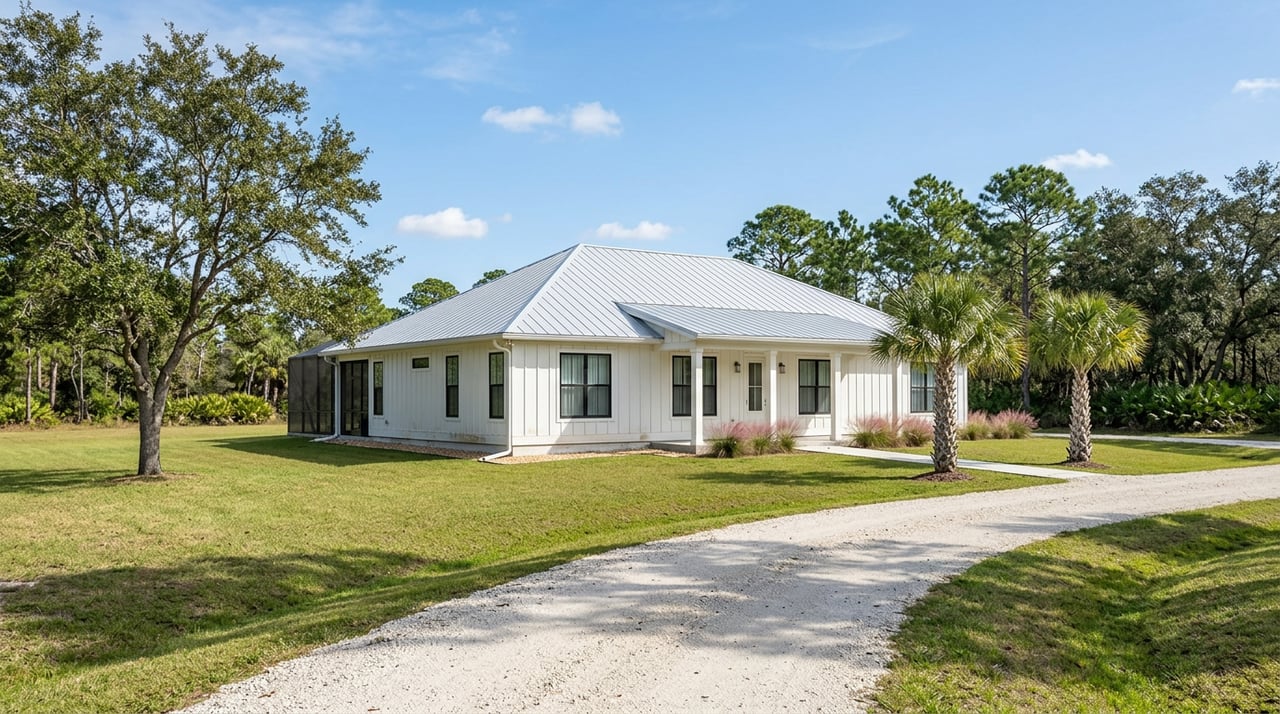
Dreaming of space to breathe, room for a barn, or a quiet spot to build later near Florida’s Nature Coast? In Citrus County, the right acreage can deliver all of that, but the best parcels are not always the most obvious ones. You face questions about zoning, wells and septic, flood maps, and spring protections that can make or break your plan. In this guide, you’ll learn how to compare acreage types, vet a specific parcel, and avoid costly surprises. Let’s dive in.
Acreage options in Citrus County
Rural homesites
If you want privacy and a place to build a primary or second home, rural homesites from 1 to 20-plus acres can work well. Focus on building setbacks, a realistic building envelope, and where utilities will run. Verify zoning and any overlay districts before you fall in love with a layout.
Hobby farms and equestrian parcels
For small-scale livestock, horses, or hobby crops, parcels from 5 to 50-plus acres can fit the bill. Review allowed uses and structure limits in the Land Development Code and learn how the county evaluates agricultural classification for property taxes. The Property Appraiser explains that ag classification is use based and must be applied for by March 1 each year, not assumed because of zoning; read the county’s guidance on agricultural classification and timing at the Citrus County Property Appraiser’s Ag FAQ.
Recreational tracts
Undeveloped timber, hunting, and river-access tracts offer quiet and natural beauty. If you like proximity to public lands, note the large conservation areas like the Withlacoochee State Forest and the Citrus Wildlife Management Area; learn more about nearby recreation at the Citrus Wildlife Management Area page. Deeded access, wetlands coverage, and realistic road maintenance costs are key screening items.
Future building or investment acreage
If your plan is to hold land for future building or to explore small-scale development, study the county’s Future Land Use map, zoning, and any access-management rules that could limit driveways or require shared access along major roads. Citrus County’s Growth Management resources are your starting point for Future Land Use and zoning confirmations; see the county’s Comprehensive Plan and Land Development resources.
Zoning and land use checks
Start with official county sources
Always verify the parcel’s Future Land Use category, zoning district, and any overlays with Growth Management, the Land Development Code, and the county GIS. Listing descriptions are not enough. Ask the county or your agent for the specific Land Development Code sections that apply to your parcel so you know what you can build and how it must look.
Springs and shoreline protections
Citrus County’s coastal area includes the Crystal River and Kings Bay spring group, a globally significant springs system that discharges roughly 0.58 billion gallons per day and supports manatee protection. These waters are managed as an Outstanding Florida Springs group, which affects water access, docks, and in-water work. Review springs context and protection guidance at the Outstanding Florida Springs page for Crystal River and Kings Bay.
Access along major roads
If your acreage fronts a state highway like US 19, access management standards can control driveway spacing, require median restrictions, or push joint access with neighbors. This matters for both a single driveway and any plan to subdivide. For background on why these rules exist and how they work, review this national overview of access management practices along major corridors from the National Academies (access management overview).
Agricultural classification and timing
If you hope to reduce property taxes through agricultural classification, remember that it is use driven. You must show a bona fide agricultural use and file by March 1 for the year in question. Read Citrus County’s application expectations in the Property Appraiser’s Ag FAQ.
Utilities and access essentials
Water and sewer
Public water and sewer coverage is a patchwork in Citrus County. Many rural parcels will need a private well and septic system. For any address, request a utilities-availability letter and connection requirements from the Department of Water Resources; the county permit portal regularly references this office for taps and inspections, as seen in recent county permit portal comments.
Septic feasibility
If sewer is not available, onsite sewage system feasibility will be a core factor. The Florida Department of Environmental Protection holds statewide rule authority, but the Citrus County health office issues local permits and inspections. Expect site and soils evaluations before building permits can be issued; start with the Citrus County Department of Health’s Onsite Sewage program page.
Electricity and internet
Electric service territories can vary between a cooperative and investor-owned utilities depending on location. Call the serving utility for cost and timing to extend service and ask about any pole work. Internet and cell coverage also vary by neighborhood, so confirm service by address before you decide on a work-from-home setup.
Road access and maintenance
Legal, recorded access is essential. Confirm a deeded right of way or a recorded easement to a public road. If access is by a private road, get the maintenance agreement and understand your share of costs. If your driveway will connect to a major corridor, access-management rules may shape where and how that access is permitted.
Environmental and hazard screening
FEMA flood maps and elevation
Always check the parcel’s FEMA flood zone. Zones AE or VE can require elevation and may trigger mandatory flood insurance for financing. Use FEMA’s official Flood Map Service Center to pull the correct panel and consider an elevation certificate for accurate build planning.
Soils, drainage, and foundation needs
Soil type drives septic design, drainage, and foundation costs. Start with the USDA NRCS Web Soil Survey to understand general soil types on the parcel. Then hire a local geotechnical professional or licensed site evaluator to confirm assumptions and recommend the right system.
Wetlands and protected resources
Parcels near springs, creeks, and coastal zones often include wetlands. A qualified consultant can delineate wetlands and outline any needed permits through SWFWMD, the Army Corps, or DEP. For springs context and shoreline sensitivity in Crystal River and Kings Bay, see the Outstanding Florida Springs overview.
A step-by-step due diligence plan
Follow this path once you identify a promising parcel:
- Confirm zoning and Future Land Use with the county’s Growth Management office and check for overlays that affect your plan. Start at the county’s Comprehensive Plan and LDC resources.
- Order a title commitment and review easements, access language, utility and drainage easements, and any restrictions. Match the legal description to the contract.
- Verify deeded access and obtain any private road maintenance agreement. Treat unrecorded tracks as a red flag.
- Request a utilities-availability letter from the Department of Water Resources and ask the electric utility about service extension costs and timeframes. See recent county permit portal notes for how DWR coordinates taps and inspections.
- Schedule septic and well evaluations. Confirm who issues OSTDS permits locally and whether you are in a springs protection area that may require enhanced systems; start with the Department of Health’s Onsite Sewage program.
- Check FEMA flood maps and ask your surveyor about base flood elevation and finished-floor targets using the Flood Map Service Center.
- Run a Web Soil Survey and order a geotechnical review for building pads, septic drainfields, and any heavy structures or pools.
- Order wetlands delineation if the parcel includes low-lying areas or visible hydric vegetation. Your consultant will flag any needed permits.
- If your parcel fronts US 19 or another major corridor, consult county staff early about access and driveways. Review this access management overview for context as you plan your layout.
When a land-focused agent helps
Choosing acreage is not about finding the most acres for the least money. It is about picking the parcel that fits your plan without hidden hurdles. A land-savvy agent helps you confirm zoning and overlays, lines up septic and well pros, and builds smart contingencies into your contract so you can investigate without losing your risk protection.
If you are comparing rural homesites, hobby farms, recreational tracts, or future building parcels in Citrus County, you deserve a single, accountable advocate who knows how to turn red flags into clear answers. Connect with Kimberly Pye to map your goals, shortlist the right properties, and move forward with confidence.
FAQs
What should I check first when evaluating acreage in Citrus County?
- Start with zoning and Future Land Use through the county’s Growth Management resources, then confirm any overlays or coastal and springs protections that could affect building or access.
How do I know if a Citrus County parcel can use a septic system?
- Ask the Citrus County health office about onsite sewage permits, schedule a site and soils evaluation, and confirm whether springs-area rules require enhanced systems before you finalize your offer.
Do access rules affect driveways on US 19 in Citrus County?
- Yes. Access management can control driveway spacing and may require shared access or frontage solutions on major corridors, which can impact both single homesites and subdivisions.
Can I get agricultural classification on my small farm parcel?
- Possibly, but it is use based and not automatic. You must apply by March 1 and show bona fide agricultural use according to the Citrus County Property Appraiser’s guidance.
How do flood zones impact my build near Crystal River or Homosassa?
- Your flood zone determines elevation and insurance needs; check the FEMA map panel for your parcel and ask your surveyor for an elevation certificate to plan finished-floor height.
Why do springs protections matter when buying near Kings Bay?
- The Crystal River and Kings Bay spring group is an Outstanding Florida Springs system with manatee habitat protections that can limit shoreline work, docks, and certain in-water activities.