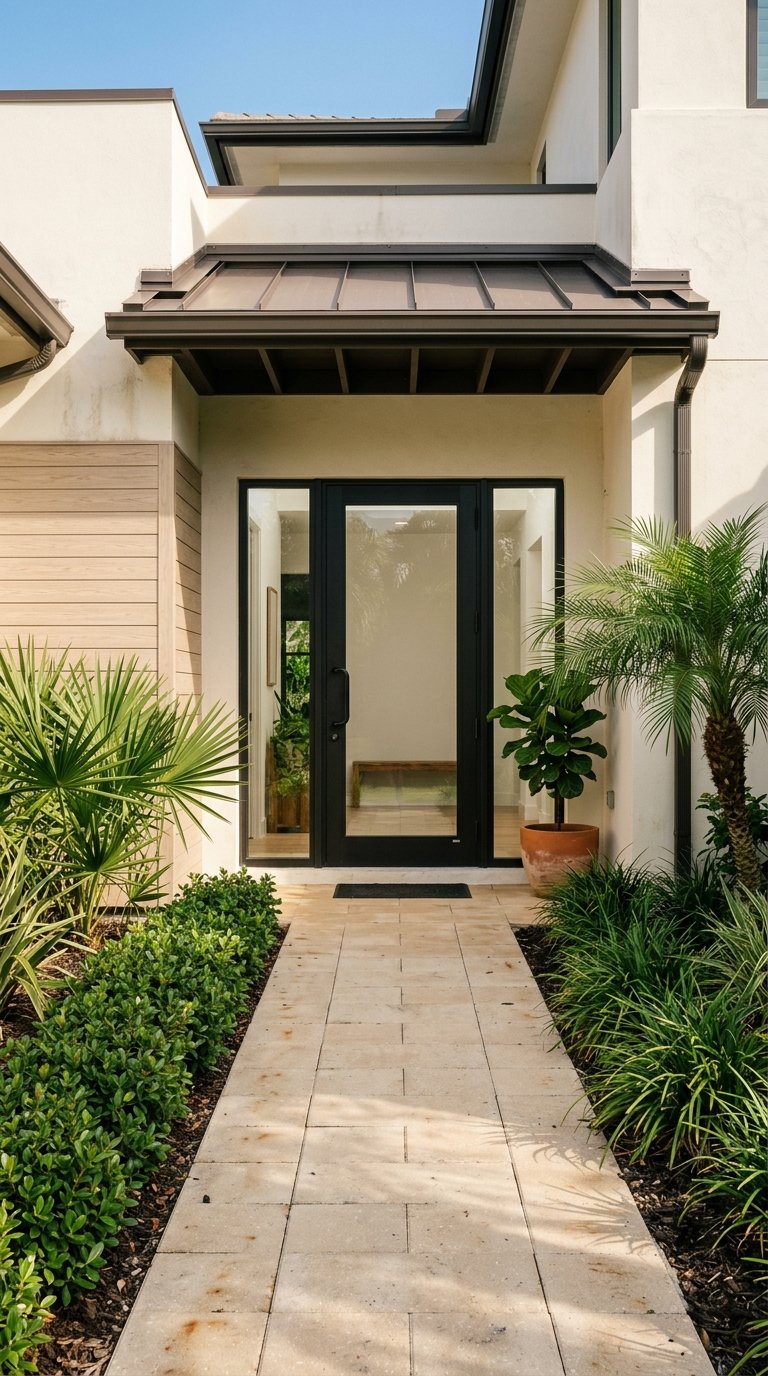
Trying to choose between a brand-new home and a resale in Hillsborough County? You are not alone. For many buyers, this decision comes down to more than curb appeal. It affects your timeline, your monthly budget, and how much uncertainty you are willing to take on. If you are weighing both options, this guide will help you compare the real tradeoffs in Hillsborough County so you can move forward with more clarity. Let’s dive in.
Hillsborough County at a glance
Hillsborough County is a large and active housing market with plenty of options for buyers. The county had an estimated population of 1,581,426 as of July 1, 2024, along with 656,550 housing units and a 61.1% owner-occupied rate, according to U.S. Census QuickFacts for Hillsborough County.
The market also continues to add housing. The county recorded 9,053 building permits in 2024, and local indicators for March 2025 showed 709 residential and commercial permits in unincorporated Hillsborough County, including 207 new residential permits. That steady activity helps explain why buyers often find themselves comparing new construction communities with established resale neighborhoods.
In the resale market, January 2026 single-family data showed a median sale price of $419,000, 4,370 active listings, 3.6 months of inventory, a 50-day median time to contract, and a 92-day median time to sale, based on the Hillsborough County single-family market report. In other words, you have options, but timing and competition still matter.
Where new construction is concentrated
New construction is not spread evenly across Hillsborough County. Recorded subdivision plats show activity across Apollo Beach, Riverview, Wimauma, Valrico, Carrollwood, Lithia, and other areas, according to the county’s plat listing records.
That matters because your location preferences may shape your choice before you even compare floor plans. If you want a newly built home, you are more likely to find it in suburban growth corridors or infill pockets. If you want a broader mix of housing styles, lot sizes, and established surroundings, resale may give you more flexibility.
Wimauma is one example of that growth pattern. It is also noted as one of Florida Realtors’ fast-growing places, with population growth that doubled or more between 2014 and 2023. For buyers who want to be in fast-developing areas, that can make new construction especially appealing.
Why buyers choose new construction
New construction often appeals to buyers who want a more modern home from day one. You may prefer newer layouts, updated finishes, and systems that have not already gone through years of wear and tear.
Energy performance is also a big draw. ENERGY STAR certified new homes are designed and built to meet strict energy-efficiency requirements, and ENERGY STAR notes that certified homes offer better efficiency and performance than typical homes. For you, that may mean lower utility use and newer systems with more predictable performance.
Customization can be another benefit. Depending on the stage of construction, you may be able to choose finishes, features, or a specific lot. That level of personalization is hard to match in a resale purchase.
The tradeoffs of new construction
The biggest tradeoff is usually time. The National Association of Home Builders reported that the average time to complete a single-family home in the U.S. was 10.1 months in 2023, while homes built for sale averaged 8.9 months. If you need to move on a shorter timeline, that can be a major factor.
Local fees and permit steps also matter in Hillsborough County. For example, mobility fees in Hillsborough County are one-time charges on new development that help pay for offsite transportation improvements. They are assessed before permit issuance and can be recalculated if a permit expires. That is one reason it is important to look beyond the base price.
You also need to read the builder contract carefully. The Consumer Financial Protection Bureau’s homebuying guidance notes that builders may require an upfront builder deposit, and you do not have to use the builder’s affiliated lender. That gives you room to compare financing options, lender terms, incentives, and deposit rules before you commit.
Why buyers choose resale homes
Resale homes usually stand out for speed and certainty. In Hillsborough County, the January 2026 resale market had a 50-day median time to contract and a 92-day median time to sale, based on the local single-family report. That is not instant, but it is generally much faster than waiting for a home to be built from the ground up.
Resale also gives you the chance to see the exact home you are buying. You can walk the lot, evaluate the layout, and understand the surrounding setting right away. That can make the decision feel more concrete and less speculative.
Another advantage is variety. Hillsborough County’s large existing housing stock gives you far more established options than any one builder community can offer. If you want a wider range of locations, home ages, lot characteristics, or architectural styles, resale often opens more doors.
The tradeoffs of resale homes
The main tradeoff with resale is condition. A home may need repairs, updates, or a larger maintenance budget than a new build. Older roofs, HVAC systems, plumbing, or cosmetic finishes can all affect your total cost after closing.
That is why inspections matter so much. The CFPB recommends an independent home inspection and advises buyers to make the contract contingent on financing and a satisfactory inspection. If serious issues show up, you may be able to cancel without penalty or negotiate repairs or credits.
In practical terms, the inspection report becomes one of your strongest tools in a resale purchase. It helps turn unknowns into specific decisions about price, repairs, and whether the home still fits your comfort level.
Cost differences may be smaller than you think
Many buyers assume new construction always costs much more, but the price gap has narrowed. NAHB reported that in the first quarter of 2025, the median new-home sale price was $416,900 compared with $402,300 for existing homes, a difference of $14,600, according to NAHB pricing data.
That does not mean new construction is always the better deal. Builders may offer incentives, and some have responded to market conditions by building on smaller lots, constructing smaller homes, and adjusting pricing. At the same time, your true cost may rise once you add upgrades, lot premiums, deposits, and any local fees.
With resale, the sticker price may be lower, but your post-closing repair or renovation budget could change the math. The smartest comparison is not just purchase price. It is total cost, both upfront and over your first few years of ownership.
A simple way to compare your options
If you are torn between the two, it helps to focus on three big categories: time, condition, and total cost.
Compare timing
Ask yourself how quickly you need to move.
- New construction may involve a months-long build timeline.
- Resale usually closes faster.
- If you are relocating on a deadline, timing may outweigh customization.
Compare condition
Think about how much repair risk you are comfortable with.
- New homes often offer newer systems and fewer immediate maintenance concerns.
- Resale homes let you inspect the exact property before closing.
- Your comfort with updates, repairs, and uncertainty should guide your choice.
Compare total cost
Look beyond the list price.
- For new construction, compare the base price with upgrades, lot premiums, deposits, incentives, and local fees.
- For resale, factor in inspections, negotiated repairs, future replacements, and maintenance.
- A lower sticker price does not always mean a lower real cost.
How the right guidance helps
In a market as broad as Hillsborough County, the better option is not simply the newer home or the lower-priced one. It is the one that fits your budget, timeline, and risk tolerance.
That is where experienced guidance can make a real difference. On a new build, you want someone looking closely at the base price, builder incentives, financing choices, permit timing, and fee exposure. On a resale, you want a clear strategy around inspections, repair requests, credits, and market timing.
If you are weighing new construction versus resale in Hillsborough County, working with a single, accountable broker can help you compare both paths clearly and confidently. When you are ready to talk through your goals, connect with Kimberly Pye for personalized guidance.
FAQs
What is the biggest difference between new construction and resale in Hillsborough County?
- The biggest difference is usually the balance between customization and speed. New construction may offer newer layouts and energy-efficient features, while resale often gives you a faster closing and the ability to inspect the exact home before you buy.
Is new construction more expensive than resale in Hillsborough County?
- Not always. NAHB reported a first-quarter 2025 median new-home sale price of $416,900 versus $402,300 for existing homes, so the gap was relatively small. You still need to compare upgrades, lot premiums, and fees against possible repair costs in a resale home.
How long does new construction usually take compared with resale?
- NAHB reported that the average time to complete a single-family home in the U.S. was 10.1 months in 2023, while Hillsborough County resale data for January 2026 showed a 92-day median time to sale. Resale is usually the faster path.
What should buyers know about inspections for resale homes in Hillsborough County?
- The CFPB recommends getting an independent home inspection and making your contract contingent on financing and a satisfactory inspection. This can help you identify condition issues and negotiate repairs or credits before closing.
Where are most new construction homes located in Hillsborough County?
- County plat records suggest new construction is concentrated in suburban growth corridors and infill pockets, including areas such as Apollo Beach, Riverview, Wimauma, Valrico, Carrollwood, and Lithia, rather than evenly spread across the county.