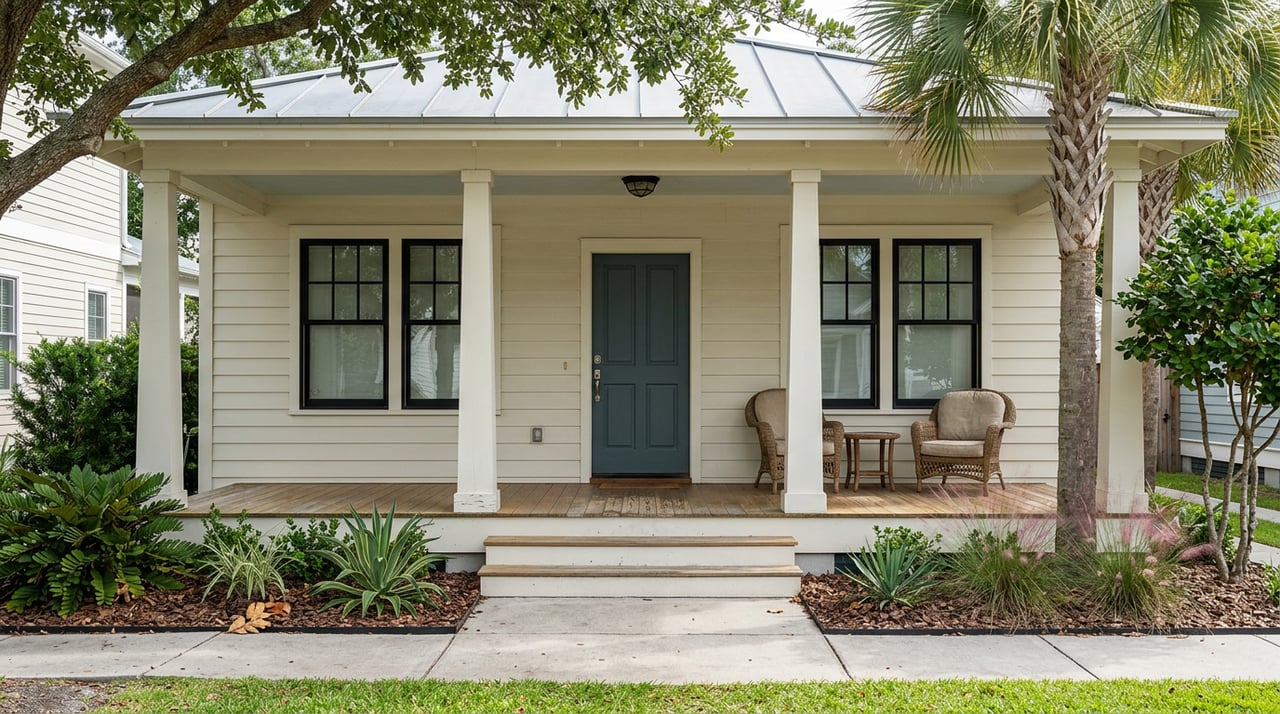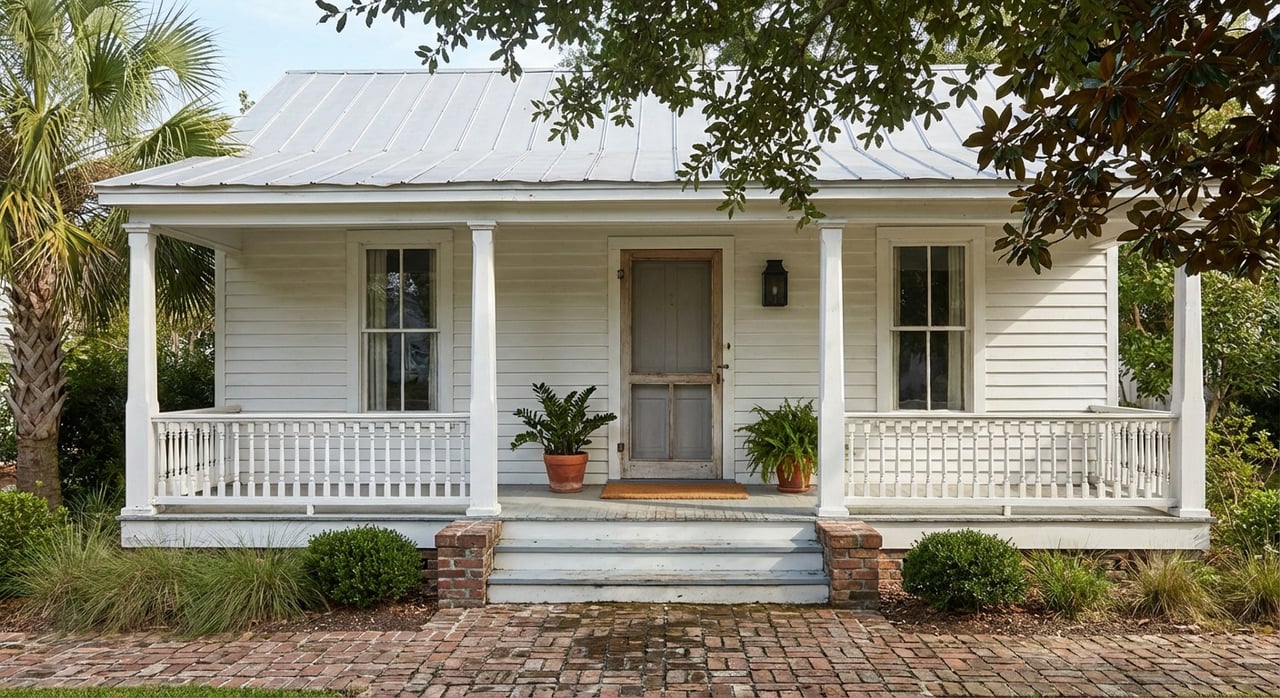
Love the idea of a Brooksville charmer with heart-pine floors and a broad front porch under the oaks? Older and historic homes offer character you cannot replicate, but they also come with unique steps you should plan for before you buy. In this guide, you’ll learn how to confirm a home’s historic status, which inspections matter most in our climate, and how insurance, flood rules, permits, and incentives work in Hernando County. Let’s dive in.
What “historic” means in Brooksville
Not every older home is officially “historic.” In simple terms, a home can be recognized at the federal, state, or local level.
- National Register of Historic Places. This is a federal list of properties and districts that meet criteria for age, integrity, and significance. You can browse Florida listings and districts through the National Park Service’s state portal. Start with the NPS Florida listings page.
- Local recognition. Cities and counties can adopt historic districts or landmarks that trigger design review or permit requirements. In practice, local ordinances are what create enforceable rules for changes you make to a property.
Brooksville’s downtown and nearby neighborhoods include well-known historic resources, including the May‑Stringer House, the South Brooksville Avenue Historic District, and Chinsegut Hill Manor. These places help define the area’s character and show the types of architecture you might find.
How to confirm a property’s status
- Check the National Register listings for Florida to see if the property or its district appears. Use the NPS Florida listings portal.
- Ask Hernando County Planning & Zoning or the City of Brooksville Community Development whether the address is in a local historic district or subject to a preservation ordinance. The county also publishes restoration and “50% rule” guidance you should review. See Hernando County’s restoration permit information.
- Pull the property’s age and permit history through public records. Knowing the documented roof, electrical, plumbing, and HVAC upgrades will matter for insurance and lending.
- Understand the difference between federal listing and local controls. National Register status is largely honorary for private owners, while local ordinances create design review. This NPS overview explains the distinction.
Smart inspections for older Brooksville homes
Older homes deserve a thorough evaluation. Think in terms of a prioritized package you order early in your inspection period.
- Full home inspection. Hire a licensed inspector experienced with older homes to assess structure, roof, attic or crawl, moisture, visible wiring and plumbing, HVAC, and foundation performance.
- WDO/termite inspection. Florida’s climate makes this essential. Look for active infestation and past damage so you can budget for treatment and repairs. Learn why WDO is a top priority in our area.
- 4‑Point inspection. Many insurers require this report on roof, electrical, plumbing, and HVAC before issuing a policy on an older home. Here’s what a 4‑Point covers.
- Wind Mitigation inspection. Florida insurers use this to verify hurricane and wind‑resistant features and to price discounts. Reports generally remain valid for several years. Review Florida’s wind mitigation resources.
- Specialty evaluations as needed. Order a sewer scope for older lines, a structural engineer review for settlement concerns, and targeted testing for lead, asbestos, moisture, or mold if there are signs or known risk factors.
Materials and hazards to watch
- Lead‑based paint in homes built before 1978. Federal disclosure applies, and renovation work that disturbs lead paint must follow EPA RRP rules. Read the RRP basics.
- Possible asbestos in older insulation or floor and ceiling materials. Test before disturbance if you plan major renovation.
- Outdated systems like fuse boxes, aluminum branch wiring, older Federal Pacific or Zinsco panels, galvanized or polybutylene plumbing, and end‑of‑life HVAC.
- Termite and moisture damage. In our humid climate, hidden wood rot and past repairs are common findings. A clear WDO report and documentation of treatments are key.
Insurance, flood, and financing
Insurability can make or break a closing on an older home. Underwriting in Florida focuses on roof age and condition, electrical and plumbing safety, and documented wind‑mitigation features. Your 4‑Point and Wind Mitigation reports help carriers price or accept the risk. Some insurers will require specific repairs, or even a roof replacement, before issuing a new policy.
On the lending side, safety issues like an active electrical hazard, a leaking roof, or significant structural defects can delay financing. Plan for repair negotiations or credits. Order critical inspections early in your due diligence so you have time to respond.
Floodplain and the “50% rule”
Brooksville sits inland, but parts of Hernando County face flood risks tied to rivers and coastal influences. Always check the FEMA Flood Insurance Rate Map for the parcel and consult county resources to see if a lender will require flood insurance. Use Hernando County’s floodplain guidance.
Standard homeowners insurance does not cover flood. You would need a separate National Flood Insurance Program policy or a private flood policy if your lender requires it or you want the protection.
If you plan a major rehab, know that floodplain “substantial improvement” rules can be triggered when the cost of work reaches a set share of the structure’s value. That can require elevation or other retrofits. Review FEMA’s 50% rule overview.
Renovation rules and incentives
Before you change visible exterior features, verify whether any local historic district rules apply to your property. Remember, National Register listing opens the door to certain incentives but does not automatically impose local design restrictions on private owners. This NPS resource explains how federal listing differs from local controls.
For permitting in Brooksville or unincorporated Hernando County, plan to pull permits for roofing, electrical, mechanical, plumbing, and structural work. The county publishes restoration permit steps and information tied to the “50% rule.” Read Hernando County’s restoration permit guidance.
On the financial side, two programs are worth exploring:
- Florida’s local option historic property tax exemption. Counties and cities can adopt an exemption that allows up to 100% of the increase in assessed value from approved rehabilitations of qualified historic properties for up to 10 years. Confirm whether Brooksville or Hernando County participates and how to apply. See the state program summary.
- Federal Historic Rehabilitation Tax Credit. A 20% credit may be available for certified rehabilitations of income‑producing historic structures. This typically does not apply to owner‑occupied single‑family homes, but it can be valuable if you plan an income or commercial use. Certification is required.
Practical permit tips
- Get permit and inspection sign‑offs for core systems. It protects you at resale and helps with insurability.
- Keep character‑defining elements where feasible. You can often hide modern mechanical upgrades while keeping original windows, porches, and trim visible.
- Ask about design review early. If a local ordinance applies, you may need approval for exterior changes.
Buyer’s quick checklist for Brooksville historic homes
- Confirm whether the property or its district appears on state or National Register lists, and whether a local historic district applies.
- Pull the documented age of the home and permit history for roof, electrical, plumbing, and HVAC.
- Order a full home inspection plus WDO, 4‑Point, and Wind Mitigation reports early.
- Budget for updates if you see outdated electrical panels, ungrounded outlets, galvanized plumbing, or an aging roof.
- Check flood zone status and any floodplain rules that could affect major repairs.
- Verify that past renovations were permitted and closed, and that there are no open violations.
- Identify the features you value most and confirm if any covenants or local reviews cover them.
Ready to explore older and historic homes with a plan that fits Brooksville’s rules and your budget? Let’s map your next steps together. Connect with Kimberly Pye for local guidance, trusted vendor referrals, and a clear path from offer to closing.
FAQs
How do I know if a Brooksville home is officially historic?
- Start by checking National Register listings, then ask Hernando County or the City of Brooksville if a local historic district or ordinance applies to the address.
What inspections matter most for a 1920s–1950s Brooksville house?
- A full home inspection, WDO/termite report, 4‑Point, and Wind Mitigation are the core set, with sewer scope, engineer review, and lead or asbestos testing as needed.
How does flood zoning affect an older home purchase in Hernando County?
- A high‑risk flood zone can trigger a lender’s flood insurance requirement, and large rehabs in mapped floodplains may face “substantial improvement” rules.
Can I replace original windows or porches on a historic Brooksville house?
- Yes in many cases, but if a local historic district applies you may need design review and permits before altering character‑defining exterior features.
Are there tax incentives for restoring a historic home in Brooksville?
- Florida’s local option tax exemption may reduce taxes on approved rehabilitations, and a federal credit may apply to income‑producing certified historic structures.