Dreaming about keeping your boat close to home and watching the sunset from your own backyard? Living on the water in Hernando Beach can offer exactly that kind of coastal lifestyle, but it also comes with details you need to understand before you buy. If you are considering a waterfront home here, this guide will help you look beyond the view and focus on the features, costs, and property-specific factors that matter most. Let’s dive in.
Waterfront Life in Hernando Beach
Hernando Beach is a boating-centered coastal community in Hernando County. County and tourism sources consistently point to boating, fishing, kayaking, sunset cruises, and nearby Gulf access as key parts of daily life here. If you want a place where the water shapes how you spend your weekends and even your evenings, this area stands out.
The setting is about more than scenic canals and open skies. Hernando County’s boat ramp planning materials note that the Hernando Beach Boat Ramp on the Hernando Beach Channel provides direct Gulf access, and the county waterways division maintains navigational aids, docks, piers, lights, and buoys. That supports the idea that water access here is part of the community’s infrastructure, not just a marketing phrase.
You will also notice that canals play a major role in the local layout. NOAA’s marine-area planning documents describe extensive canal systems throughout Hernando Beach and note that many nearby coastal properties rely on seawalls for shoreline protection. In practical terms, waterfront living here means paying attention to the shoreline just as much as the house.
Hernando Beach Home Types
One of the biggest surprises for buyers is that waterfront does not mean one thing in Hernando Beach. Current listing examples show a mix of direct Gulf-access homes, canal homes with indirect access, freshwater canal properties, and homes that depend on lifts or bridge crossings. Two homes may both be called waterfront, but the boating experience can be very different.
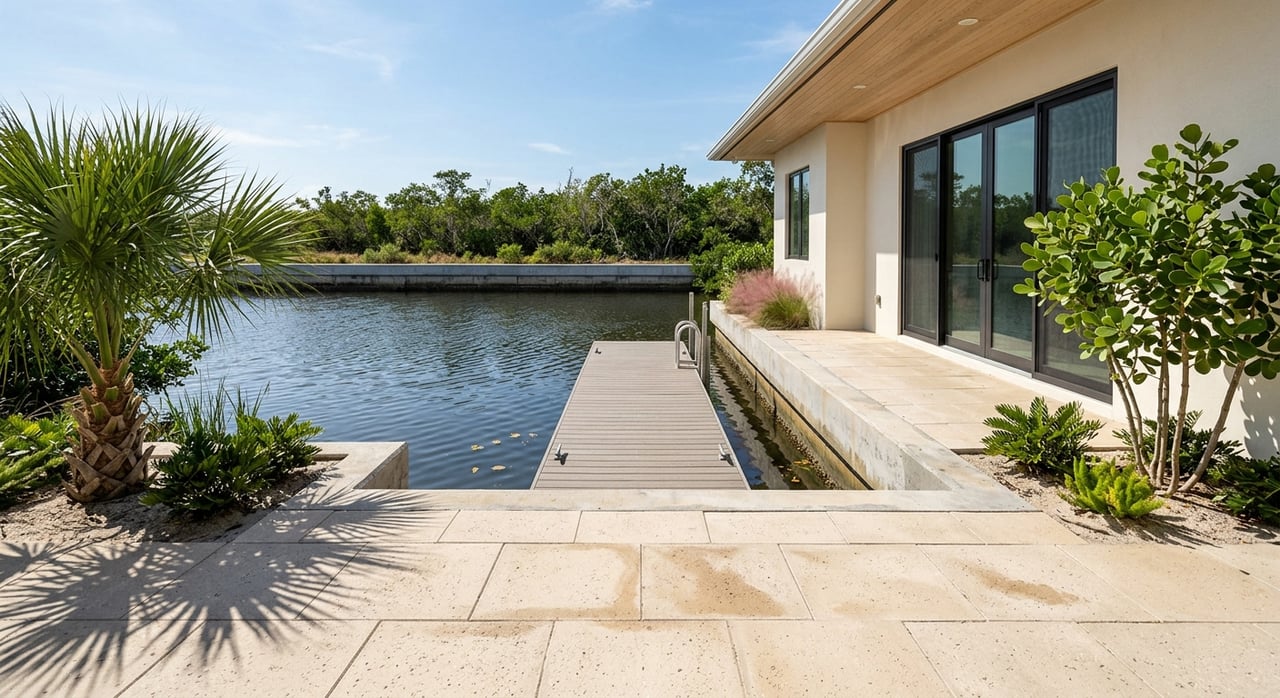
You will also see a range of construction styles and layouts. Some homes highlight elevated or stilt construction, while others focus on features like seawalls, private docks, pools, and extra space for boat or trailer parking. Those features often reflect both lifestyle preferences and the practical demands of coastal ownership.
Lot size can vary quite a bit too. Current listings include standard canal lots, oversized lots, and double lots. That can affect what you are able to do with the property, from dock placement to storage to whether there is room for a pool or additional parking.
Boating Access Varies by Parcel
If boating is a top priority, you should look closely at access details for each property. Some listings advertise direct Gulf access or even no fixed bridges, while others involve bridge clearance limits or a more indirect route to open water. That difference matters if you own a larger boat, a sailboat, or any vessel with a deeper draft.
Canal type matters as well. Current examples show both saltwater and freshwater canal properties, and not every route to open water works the same way. Before you move forward on a home, it is smart to verify the exact route, water type, and any navigation limitations tied to that specific parcel.
Shallow-water conditions are another important part of the picture. NOAA and county boating materials point to shallow areas, seagrass sensitivity, and the need for careful navigation and shoreline management. In a place like Hernando Beach, water depth and vessel draft are not minor details. They are part of how usable the property will be for your lifestyle.
Features Buyers See Most
Waterfront homes in Hernando Beach often include features designed around boating and coastal use. Current listing examples commonly mention:
- Private docks
- Boat lifts
- Seawalls
- Elevated construction
- Pools
- Extra garage or driveway space
- Room for trailers or water gear
These features add convenience, but they also create maintenance responsibilities. A dock, lift, or seawall is not just an amenity. It is part of the property systems you will want to inspect and understand before closing.
Flood Zones and Insurance
Flood risk is one of the biggest ownership issues for any waterfront buyer in Hernando Beach. Hernando County says development in Special Flood Hazard Areas is regulated under the county’s flood damage prevention ordinance and the Florida Building Code. The county also directs residents to FEMA flood maps as the official source for flood-zone determinations.
For buyers, this means flood zone status should be verified early. It can affect financing, insurance, future improvements, and your long-term carrying costs. A beautiful waterfront home may still require careful budget planning once flood-related costs are factored in.
Florida insurance consumer guidance also makes an important distinction that many buyers miss. Flood insurance is usually a separate policy, standard homeowners insurance does not normally cover flood damage, and hurricane coverage for windstorm damage does not include flooding. Florida law does not require every homeowner to carry flood insurance, but a mortgage lender may require it.
Utilities, Septic, and Sewer
Waterfront due diligence in Hernando Beach should also include the property’s utility setup. Hernando County health officials state that septic installations, repairs, modifications, and approvals require a permit. County emergency guidance also notes that septic systems will not work if floodwater covers the drain field.
That makes septic and sewer questions especially important on waterfront parcels. The county maintains a utilities department and also references septic-to-sewer conversion work in the broader area, so you should confirm the exact setup for the property you are considering. Do not assume one waterfront home works the same way as the one next door.
If a property has septic, you may want to understand its age, condition, permitting history, and any upgrade needs. If it is connected to sewer, you will still want to confirm service details before closing. These are parcel-level facts that can affect both cost and peace of mind.
Permits for Waterfront Improvements
One of the biggest differences between inland and waterfront ownership is permitting. Florida DEP says activities affecting wetlands or other surface waters may require an Environmental Resource Permit. That can include projects involving docks, seawalls, riprap, fill, and dredging.
In plain terms, work that seems simple on another type of property can become more regulated on the water. If you are thinking about replacing a seawall, expanding a dock, improving shoreline protection, or making other water-facing changes, permit requirements may apply. It is important to view those improvements as part of your due diligence, not as afterthoughts.
This matters for sellers too. If you already own a waterfront property in Hernando Beach, understanding what is permitted and what documentation buyers may ask for can help you prepare your home for a smoother sale.
Shoreline and Canal Maintenance
Owning on the water means paying attention to shoreline condition over time. NOAA’s planning documents note erosion issues in the area and explain that many coastal properties rely on seawalls for protection. They also point to interest in more natural shoreline-stabilization methods where possible.
That makes the condition of the seawall, dock, canal edge, and related structures a major part of evaluating value. A home may look turnkey inside, but waterfront ownership depends heavily on what is happening outside along the waterline. Maintenance here is often as much about preservation as appearance.
County and NOAA materials also point to seagrass sensitivity, scarring concerns, and improper anchoring issues in marine areas. That reinforces the need for careful boating and shoreline management. In Hernando Beach, responsible waterfront living means understanding how your property and boating habits interact with the surrounding environment.
What Costs to Expect
The purchase price is only part of the story with a waterfront home. Based on the research, buyers should be prepared for costs that may include:
- Flood insurance
- Windstorm deductibles
- Dock upkeep
- Seawall maintenance or repair
- Septic inspections or upgrades, if applicable
- Permit-related costs for waterfront improvements
These costs are not one-size-fits-all. They depend on the parcel, the canal type, the flood zone, and the home’s existing infrastructure. That is why a careful review of the specific property matters so much in Hernando Beach.
Why Local Guidance Matters
In a neighborhood built around canals, shoreline structures, and boating access, details can change from one lot to the next. Flood zone, utility setup, canal type, bridge clearance, and shoreline condition are all highly property-specific. What works well for one buyer may not fit another buyer’s goals at all.
That is where local knowledge becomes valuable. When you work with someone who knows Hernando County and understands how waterfront properties differ parcel by parcel, you are better positioned to ask the right questions early. That can help you make a clearer decision, whether you are buying your first waterfront home or preparing to sell one.
If you are thinking about buying or selling a waterfront home in Hernando Beach, having a single, accountable local expert can make the process feel much more manageable. For personalized guidance on Hernando County real estate, connect with Kimberly Pye.
FAQs
Is every waterfront home in Hernando Beach direct Gulf access?
- No. Current listing examples show direct-access homes, indirect-access canal homes, freshwater canal properties, and homes that depend on lifts or bridge crossings.
What waterfront features are common in Hernando Beach homes?
- Common features in current listings include docks, boat lifts, seawalls, elevated construction, pools, and extra garage or driveway space for boats, trailers, and water gear.
What should you verify before buying a Hernando Beach waterfront home?
- You should verify the flood zone, utility setup, septic or sewer status, canal type, route to open water, bridge clearance, water depth considerations, and the condition of any seawall or dock.
Does homeowners insurance cover flood damage in Hernando Beach?
- Usually no. Florida insurance consumer resources state that flood insurance is typically separate, and standard homeowners policies do not normally cover flood damage.
Do waterfront improvements in Hernando Beach require permits?
- They can. Florida DEP states that certain projects involving docks, seawalls, dredging, fill, riprap, or other work affecting wetlands or surface waters may require permitting.