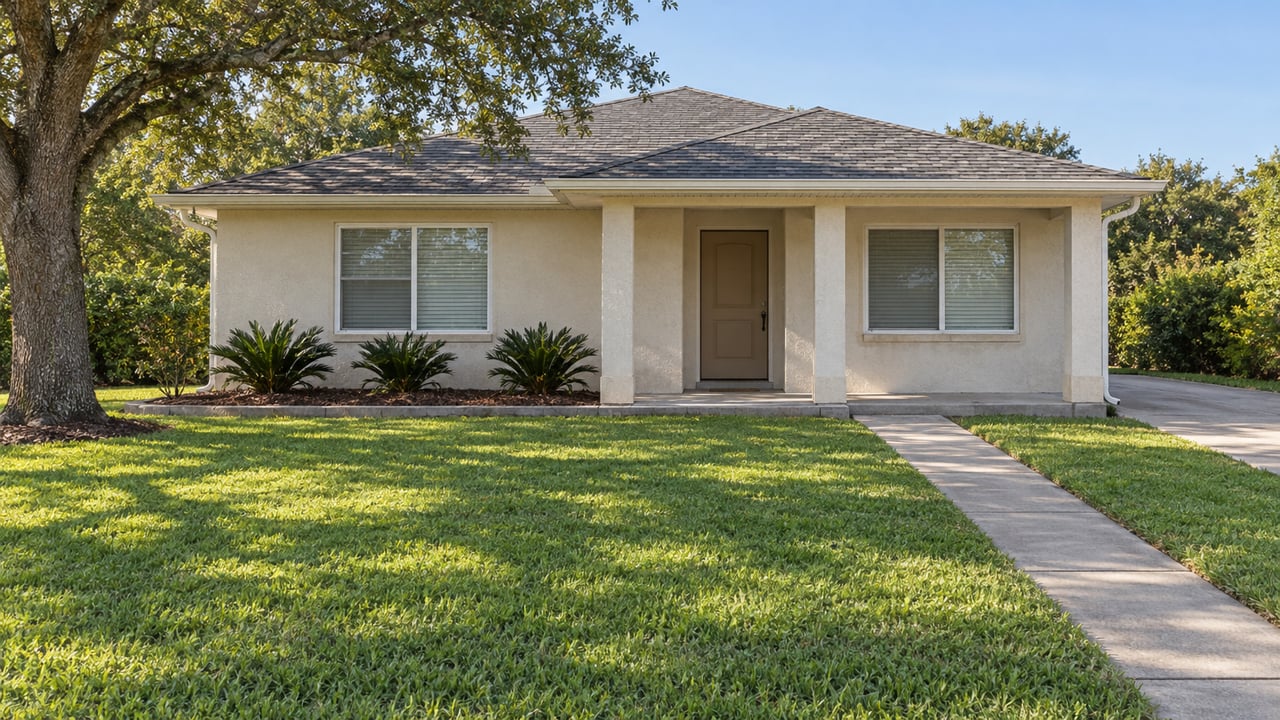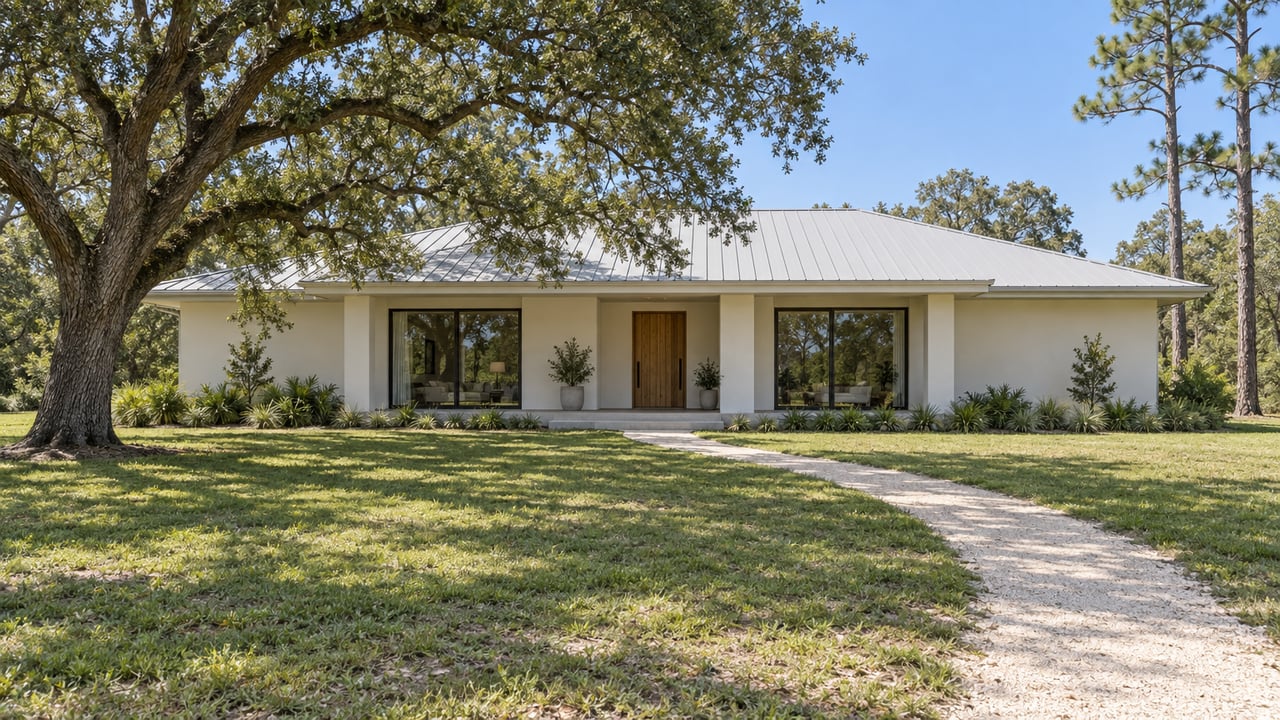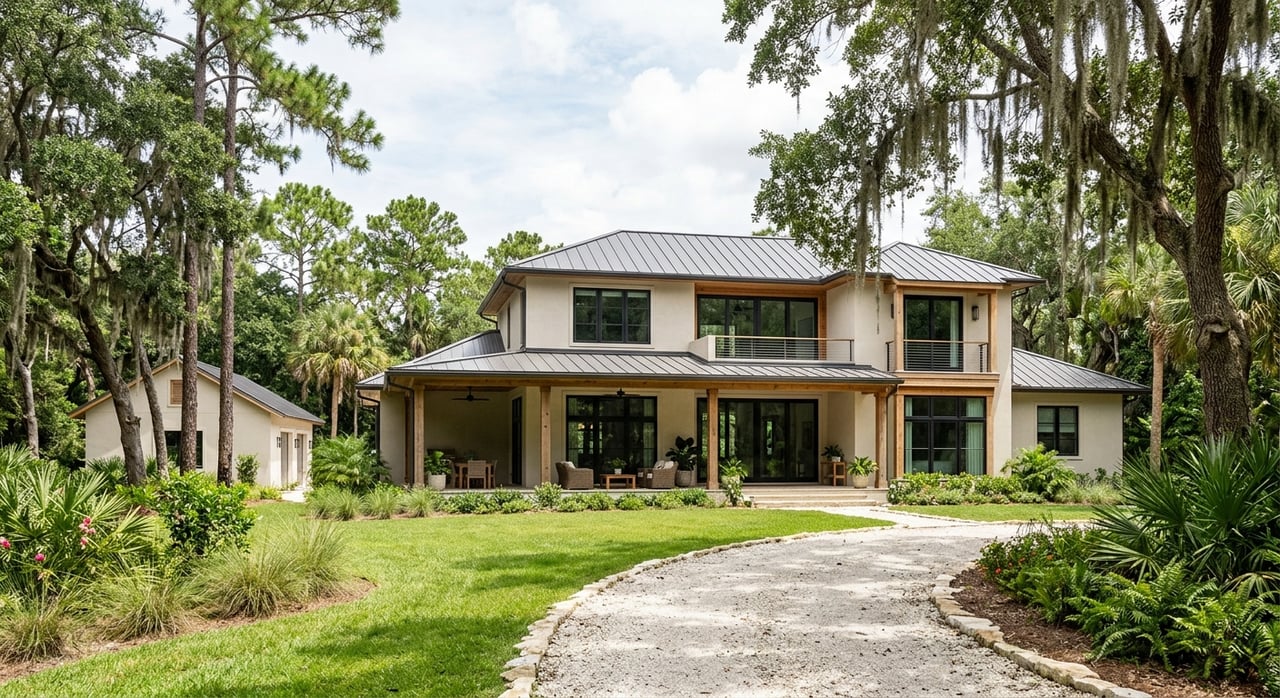
Dreaming about room to spread out in Hernando County? A country home or acreage can give you privacy, flexibility, and space for the lifestyle you want, but rural property comes with questions you do not want to answer after closing. If you are in the early research stage, this guide will help you understand what to check before you make an offer so you can move forward with more confidence. Let’s dive in.
What country property means here
In Hernando County, “country” is not one simple property type. A parcel may look rural on a listing, but its zoning, future land use, setbacks, and permitted uses can be very different from the property next door.
That is why one of your first steps should be confirming the exact zoning district and how the county classifies the land. Hernando County separates residential, agricultural, agricultural/residential, conservation, and planned-development districts, and each one has its own rules.
The county’s Planning Department manages the Comprehensive Plan and Land Development Regulations. Rezonings, conditional uses, and special exceptions are all part of how land use is reviewed, so it is smart to verify the parcel itself instead of assuming the current appearance tells the full story.
Why zoning matters on acreage
If you are buying with a specific use in mind, zoning matters from day one. You may want a garden, a barn, a workshop, chickens, or simply the option to add structures later, but county permissions are parcel-specific.
Hernando County’s 2040 Comprehensive Plan says the Rural Category allows agriculture, agricultural commercial, agri-industrial, recreation, agritourism, and residential land uses of a rural character. It also sets a base density of 0.1 dwelling units per gross acre, which is about one home per 10 gross acres, unless an exception applies.
Some recognized infill areas may develop at densities consistent with available utility services and existing zoning. That means two properties with similar acreage may not have the same long-term development potential.
Do not ignore private restrictions
Even if the county allows a use, that does not always mean you can move forward. Private deed restrictions or HOA rules may still limit what you can do with the property.
This is especially important if you are considering fences, animals, accessory buildings, or home-based agricultural uses. County permit materials make clear that private restrictions can override a county permit, so you should review both public rules and private documents before you commit.
Hobby farming and backyard use
Many buyers looking at acreage are not planning a full-scale farm. You may simply want a few chickens, raised beds, fruit trees, or a small outbuilding to support a rural lifestyle.
Hernando County has an administrative conditional-use process for backyard chickens in many residential districts. In other cases, rezoning requests may seek designations such as AR to support small-scale agricultural activity.
The key takeaway is simple: do not assume. If your goal includes small-scale homesteading, confirm the current zoning, ask whether approvals are needed, and check whether deed restrictions limit those uses.
Structures, fencing, and clearing
Acreage often comes with plans for improvements. You may be thinking about fencing, a shed, a detached garage, a barn, or clearing part of the lot to make the land more usable.
In Hernando County, fence permits are required for new fencing in residential, commercial, and industrial zoning districts. The county also lists applications for sheds and accessory structures, and tree-removal permits may be required for protected trees.
If you are counting on agricultural-building exemptions, be careful. The county says exemptions are not automatic and depend on Florida-law definitions and exclusive agricultural use.
Agricultural classification is separate
Many buyers assume acreage automatically comes with agricultural tax treatment. That is not how it works.
In Florida, agricultural classification is separate from zoning. Eligibility is based on bona fide agricultural use, and the application must be filed with the county property appraiser on or before March 1.
In Hernando County, the property appraiser administers agricultural classification and appraises property for ad valorem tax purposes. If tax planning is part of your purchase decision, it is important to understand that owning acreage alone does not guarantee that classification.
Wells, septic, and utility service
Utilities are one of the biggest differences between a suburban home and a country property. Many rural homes rely on private wells and septic systems, and that changes both your due diligence and your long-term maintenance planning.
DOH-Hernando says it does not regulate or sample private wells, although private well owners can submit bacteriological samples for testing at the Spring Hill office. The department also states that all proposed new septic installations, repairs, modifications, and approvals require a permit.
Before you buy, confirm whether the property is on public water and sewer, a private well and septic system, or some combination of the two. That answer can affect inspections, future improvements, and your overall cost of ownership.
Sewer conversion can affect planning
Utility planning is not always static. Hernando County Utilities provides an interactive water and sewer service map and handles development review and capacity analysis.
The county also has a Septic-to-Sewer Conversion Project tied to the remediation plan for Weeki Wachee Springs. For buyers, that means it is worth confirming whether a parcel is fully private, partly served, or in an area where utility expectations could change over time.
Watering rules still apply on acreage
A larger lot can make landscaping feel easier, but water use is still regulated. In Hernando County, watering restrictions can apply even if you are using a private well.
As of June 22, 2026, the Southwest Florida Water Management District had Modified Phase III “Extreme” water-shortage restrictions in effect in Hernando County through July 1, 2026. Those restrictions apply to residents, including private well owners, and limit lawn and landscape watering to a one-day-per-week schedule with stricter hours.
If irrigation is important to you, be sure to factor current water rules into your plans for landscaping, pasture, or new plantings.
Access can be more complicated than it looks
Country parcels often raise access questions that do not come up on a standard subdivision lot. A long driveway, a shared entrance, or a road that appears usable on a map may need a closer look.
Hernando County says any work in county rights-of-way or permanent easements needs prior Public Works approval. The county’s right-of-way permit process also covers residential entrance construction or modification.
The county further notes that some county-owned rights of way are not maintained unless an approved county-maintained or emergency-maintained road is within that right of way. That makes legal access and road maintenance status important items to verify before closing.
Flood risk is parcel-specific
Flood risk is another issue you should check property by property. A rural setting can include low-lying areas, drainage concerns, and other physical conditions that affect building plans, financing, insurance, or future improvements.
Hernando County says the FEMA Flood Insurance Rate Map is the official source for flood-zone determinations. The county also notes that local watershed information may affect development even when it does not appear on FEMA maps.
That means a parcel may require more review than a quick glance at a listing photo suggests. If you are buying raw land or planning major improvements, this step matters.
Buildable area is not the same as lot size
Acreage can be exciting, but total acreage does not always equal usable acreage. Utility easements, protected trees, drainage conditions, and other site constraints can limit where you build or what improvements you add.
Hernando County’s GeoHub and zoning pages are helpful starting points, but parcel-specific questions about buildable area and improvement limits often need professional review. This is one of the most important mindset shifts for acreage buyers: you are not just buying a number of acres, you are buying a specific set of rights, limits, and possibilities.
A smart due diligence checklist
Before you make an offer on a country home or vacant acreage in Hernando County, make sure you can answer these questions:
- What is the exact zoning district and future land use category?
- Is the parcel affected by any overlay or special district?
- Is the property on public water and sewer, private well and septic, or an area where utility conversion is being discussed?
- Does the parcel sit in a flood zone or drainage area that could affect building, insurance, or financing?
- Are there easements, right-of-way issues, or road maintenance limitations affecting access?
- Do deed restrictions or HOA rules limit fences, animals, accessory structures, or agricultural uses?
These are the questions that help you separate a property that only looks good online from one that truly fits your goals.
Why local guidance matters
Buying country homes and acreage in Hernando County takes more than falling in love with open space. You need a clear picture of zoning, utility setup, access, flood status, and private restrictions before you move ahead.
That is where local experience can make the process smoother. When you are comparing land, evaluating a country home, or trying to understand what is realistic for a specific parcel, having a single, accountable local expert in your corner can save you time and help you avoid costly assumptions.
If you are thinking about buying country property in Hernando County, Kimberly Pye can help you evaluate the details that matter most and move forward with confidence.
FAQs
What should you check before buying acreage in Hernando County?
- You should confirm zoning, future land use, flood status, utility service, access, easements, and any deed restrictions or HOA rules before making an offer.
Can you keep chickens on a country property in Hernando County?
- Possibly, but approval depends on the parcel and zoning district, and some properties may need an administrative conditional use. Private deed restrictions may still limit chickens even if the county allows them.
Does acreage in Hernando County automatically qualify for agricultural tax treatment?
- No. Agricultural classification is separate from zoning and depends on bona fide agricultural use, not simply on owning land.
Are wells and septic systems common in rural Hernando County?
- Yes, many country homes rely on private wells and septic systems, so you should verify the current setup and any permit requirements for future repairs or upgrades.
Can flood risk affect a country home or vacant land purchase in Hernando County?
- Yes. Flood risk should be reviewed parcel by parcel because it can affect building plans, insurance, financing, and future improvements.
Why can two similar-looking rural parcels have different uses in Hernando County?
- Because permitted uses depend on the parcel’s zoning, future land use, utility availability, access conditions, and any private restrictions tied to the property.